Rodent control is a critical concern for both homeowners and commercial property managers. Rodents are highly adaptable pests that can thrive in a wide range of environments, especially where food, water, and shelter are readily available. Once rodents gain access to a structure, they can multiply quickly, causing extensive damage and posing serious health risks. Implementing effective Rodent Retreat control strategies is essential for maintaining safe, sanitary, and functional spaces in both residential and commercial settings.
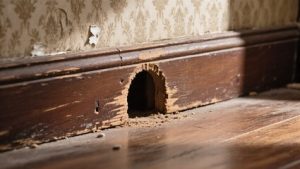
Unlike occasional pests, rodents tend to establish long-term nesting and feeding patterns once they find favorable conditions. This makes control efforts more complex and time-sensitive. A proactive and strategic approach is the most reliable way to reduce rodent activity and prevent recurring infestations. Understanding how rodent behavior differs between homes and commercial properties allows for tailored solutions that address specific vulnerabilities.
Understanding Rodent Activity in Different Environments
Rodent behavior varies depending on the type of environment they inhabit. In residential properties, rodents often seek warmth, quiet nesting areas, and easy access to food. Kitchens, basements, attics, and garages are common hotspots due to stored items and limited human disturbance. Even small lapses in sanitation or maintenance can create opportunities for rodent intrusion.
In commercial properties, rodent activity is often driven by higher volumes of food waste, storage areas, and frequent deliveries. Warehouses, offices, and retail spaces may provide numerous hiding places and entry points. The scale of commercial operations makes monitoring more challenging, allowing infestations to spread rapidly if not addressed early. Understanding these environmental differences is the foundation of effective rodent control strategies.
Identifying Vulnerabilities and Entry Points
Rodents are capable of entering buildings through extremely small openings. Identifying and addressing vulnerabilities is one of the most important steps in rodent control. Cracks in walls, gaps around doors, damaged vents, and openings near utility lines are common entry points that often go unnoticed.
Regular inspections help uncover these weaknesses before rodents exploit them. In both homes and commercial properties, exterior maintenance plays a crucial role in prevention. Sealing entry points using durable materials prevents rodents from accessing interior spaces. Without proper exclusion measures, other control efforts may offer only temporary relief.
Sanitation as a Core Control Strategy
Sanitation is a cornerstone of effective rodent control. Rodents are attracted to environments where food and water are readily available. Poor sanitation not only invites rodents but also encourages them to remain and reproduce. Maintaining cleanliness significantly reduces the appeal of a property to rodents.
Key sanitation practices include proper food storage, regular cleaning of food preparation areas, and prompt waste disposal. In commercial settings, consistent sanitation protocols are especially important due to higher activity levels. Eliminating spills, crumbs, and accessible waste reduces the resources rodents rely on for survival.
Structural Maintenance and Exclusion Methods
Structural maintenance and exclusion work hand in hand to prevent rodent infestations. Exclusion involves physically blocking rodents from entering a building, while maintenance ensures that existing barriers remain intact. This strategy is effective for both homes and commercial properties when implemented consistently.
Common exclusion methods include sealing cracks, repairing damaged doors, and installing protective coverings over vents and drains. These measures must be regularly inspected and maintained, as rodents can damage materials over time. A well-maintained structure is far less attractive and accessible to rodents.
Monitoring and Early Detection
Monitoring is an essential component of long-term rodent control. Early detection allows for quick intervention, reducing the scope and cost of control efforts. Regular inspections help identify signs of rodent activity before infestations become severe.
Common indicators to monitor include droppings, gnaw marks, and unusual noises. In commercial properties, monitoring may also involve checking storage areas and waste disposal zones more frequently. Early detection ensures that corrective actions are taken before rodent populations grow.
Population Control Techniques
When rodents are already present, population control techniques are necessary to reduce their numbers. These methods must be applied carefully and strategically to be effective. Trapping and baiting are commonly used techniques, but they should be part of a broader control plan rather than standalone solutions.
Effective population control involves placing control devices in areas where rodents are most active. Regular monitoring and adjustment improve success rates. Combining population reduction with sanitation and exclusion measures ensures longer-lasting results and minimizes reinfestation.
Rodent Control in Residential Properties
Rodent control in homes requires a balance between effectiveness and safety. Residential environments often include children, pets, and personal belongings, which must be considered when implementing control strategies. Homeowners should focus on preventive measures that reduce attraction and access.
Maintaining cleanliness, sealing entry points, and reducing clutter are essential steps for residential rodent control. Regular inspection of attics, basements, and storage areas helps identify early signs of activity. These proactive measures significantly reduce the likelihood of infestation.
Rodent Control in Commercial Properties
Commercial properties face unique challenges when it comes to rodent control. High foot traffic, frequent deliveries, and large storage areas increase the risk of infestation. Consistent monitoring and structured control plans are necessary to manage these risks effectively.
Commercial rodent control strategies often involve scheduled inspections, detailed documentation, and coordinated sanitation efforts. Employee awareness also plays a role, as staff members are often the first to notice signs of rodent activity. A collaborative approach enhances overall effectiveness.
Integrated Rodent Control Strategies
Integrated rodent control strategies combine multiple methods to address infestations comprehensively. Rather than relying on a single solution, integrated approaches focus on long-term prevention and sustainable results. This strategy is widely recognized as the most effective way to manage rodent problems.
Key components of an integrated approach include:
- Exclusion to prevent entry and limit access.
- Sanitation to eliminate food and water sources.
Additional elements may include monitoring, population control, and ongoing maintenance. By addressing the root causes of rodent activity, integrated strategies reduce the likelihood of recurring infestations and improve overall outcomes.
The Role of Professional Rodent Control Services
Professional rodent control services play a valuable role in managing infestations in both homes and commercial properties. Trained professionals have the expertise to assess complex situations and design targeted solutions. Their experience allows them to identify hidden vulnerabilities and implement effective control measures.
Professional services often include comprehensive inspections, customized treatment plans, and follow-up monitoring. These services are particularly beneficial for large properties or persistent infestations. Investing in professional control enhances effectiveness and provides peace of mind.
Long-Term Prevention and Maintenance
Long-term rodent control requires ongoing prevention and maintenance. Even after an infestation is resolved, continued vigilance is necessary to prevent recurrence. Regular inspections, maintenance, and sanitation practices help maintain a rodent-resistant environment.
Preventive maintenance should be incorporated into routine property management. Addressing minor issues promptly prevents them from becoming major vulnerabilities. Consistency is key to sustaining effective rodent control over time.
Why Proactive Rodent Control Matters
Proactive rodent control is more effective and cost-efficient than reactive measures. Addressing vulnerabilities and early signs of activity reduces damage, health risks, and operational disruptions. Both homeowners and commercial property managers benefit from a proactive approach.
Early intervention minimizes the resources required to control infestations. It also ensures a safer and more comfortable environment for occupants. Proactive rodent control reflects responsible property management and long-term planning.
Effective rodent control strategies for homes and commercial properties rely on understanding rodent behavior, addressing vulnerabilities, and implementing comprehensive solutions. Rodents are persistent pests, but their impact can be significantly reduced through consistent prevention, monitoring, and control efforts.
By combining sanitation, exclusion, population control, and professional expertise, property owners can achieve long-lasting protection. Rodent control is not a one-time task but an ongoing commitment to maintaining safe and healthy environments. With the right strategies in place, both residential and commercial spaces can remain free from the disruptions and risks associated with rodent infestation.